
About laser stone and prostate treatment
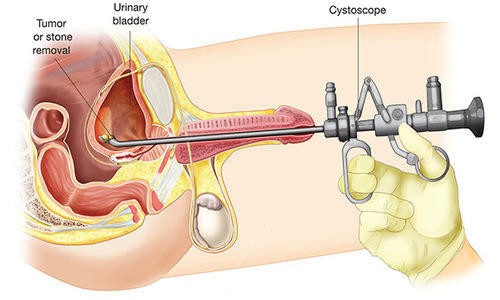
Laser stone treatment and prostate treatment are two separate medical procedures that use lasers to treat different conditions.
Laser stone treatment, also known as laser lithotripsy, is a procedure used to break up and remove kidney stones or ureteral stones. It involves the use of a laser to deliver energy to the stones, causing them to break apart into smaller pieces that can be easily passed through the urinary tract. This procedure is usually performed under general anesthesia or conscious sedation, and patients can usually return home the same day.
Prostate treatment using laser therapy is a minimally invasive procedure used to treat conditions such as enlarged prostate or prostate cancer. There are several types of laser therapies used for prostate treatment, including:
• Laser enucleation of the prostate (LEP): This procedure involves using a laser to remove the obstructive tissue in the prostate gland, which helps to relieve symptoms of an enlarged prostate.
• Photoselective vaporization of the prostate (PVP): This procedure uses a laser to vaporize the excess prostate tissue, reducing the size of the gland and improving urine flow.
• Laser ablation: This technique uses a laser to destroy cancer cells in the prostate gland, while sparing healthy tissue.
Prostate laser therapy is usually performed under general anesthesia or local anesthesia with sedation, and patients may be able to return home the same day or after a short hospital stay. The specific type of laser therapy used will depend on the patient’s condition and individual circumstances, and should be discussed with a healthcare provider.
Symptoms OF laser stone and prostate treat
Assuming you are referring to laser treatment for kidney stones and prostate issues, the symptoms before and after the treatment can vary depending on the specific condition and the individual’s health status. Here are some possible symptoms that may be associated with laser treatment for kidney stones and prostate issues:
Symptoms before laser treatment for kidney stones:
• Pain or burning during urination
• Blood in the urine
• Nausea and vomiting
• Difficulty passing urine
• Urinary urgency and frequency
Symptoms after laser treatment for kidney stones:
• Mild discomfort or pain in the treated area
• Increased urinary frequency or urgency for a few days
Symptoms before laser treatment for prostate issues:
• Difficulty urinating
• Weak or interrupted urine flow
• Frequent urination, especially at night
• Pain or burning during urination
• Blood in the urine or semen
Symptoms after laser treatment for prostate issues:
• Mild to moderate discomfort or pain in the treated area
• Urinary urgency and frequency for a few days
• Difficulty starting or stopping urine flow
• Blood in the urine or semen for a few days
• Erectile dysfunction, in some cases.
Risk Factors of laser stone and prostate treatment
There are several potential risk factors associated with laser stone and prostate treatment, which can vary depending on the specific type of laser treatment used. Some possible risks may include:
1. Bleeding: Laser treatment can cause bleeding, especially in the case of prostate treatment. The risk of bleeding is higher if the patient is taking blood-thinning medication.
2. Infection: There is a risk of infection associated with any medical procedure, including laser stone and prostate treatment. Patients may be given antibiotics before or after the procedure to reduce this risk.
3. Scarring: In some cases, laser treatment can cause scarring, which can lead to complications and discomfort.
4. Urinary problems: After laser prostate treatment, patients may experience urinary problems such as difficulty urinating or frequent urination.
5. Pain: Laser treatment can cause pain, especially during recovery. Pain medications may be prescribed to manage discomfort.
6. Damage to surrounding tissues: Laser treatment can potentially damage surrounding tissues or organs, although this is rare.
7. Need for additional treatment: In some cases, laser treatment may not completely remove all stones or prostate tissue, requiring additional treatment.
It is important to discuss the potential risks and benefits of laser stone and prostate treatment with a qualified healthcare provider to determine if it is the best course of action for the individual patient.
Advice to avoid after laser stone and prostate treatment
After undergoing laser stone and prostate treatment, it is important to follow your doctor’s specific instructions for post-operative care. However, some general advice to avoid includes:
1. Strenuous activities: Avoid heavy lifting or engaging in activities that require a lot of physical exertion for at least a few weeks after the procedure. This can put stress on your body and slow down the healing process.
2. Sexual activity: It is important to avoid sexual activity for at least two to three weeks after the procedure. This is to allow time for the treated area to heal and reduce the risk of infection.
3. Sitting for long periods of time: Sitting for long periods of time can put pressure on the treated area and cause discomfort. It is best to take breaks and stand up or walk around frequently.
4. Alcohol and caffeine: Avoid consuming alcohol and caffeine for at least a few days after the procedure as they can irritate the bladder and cause discomfort.
5. Constipation: Constipation can cause discomfort and strain the treated area. Make sure to eat a high-fiber diet, stay hydrated, and use stool softeners or laxatives as recommended by your doctor.
6. Driving: Avoid driving for at least 24 hours after the procedure as the anesthesia or sedative used during the procedure may affect your reaction time and ability to operate a vehicle.
It is important to follow your doctor’s specific instructions for post-operative care and to report any unusual symptoms or complications immediately.